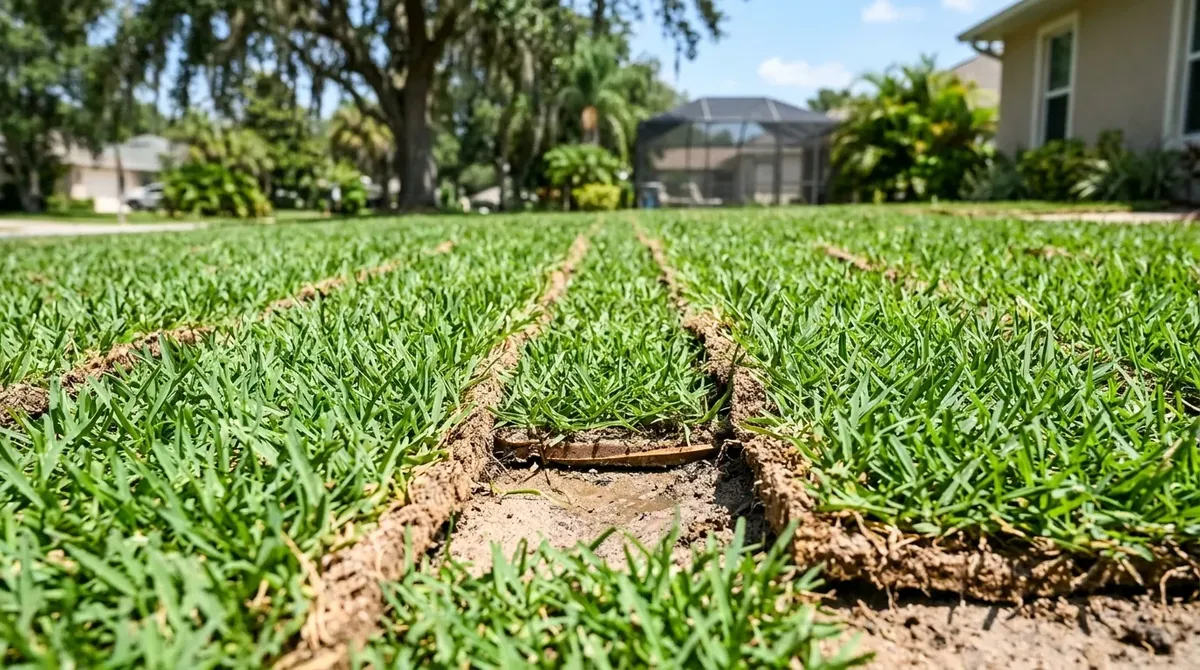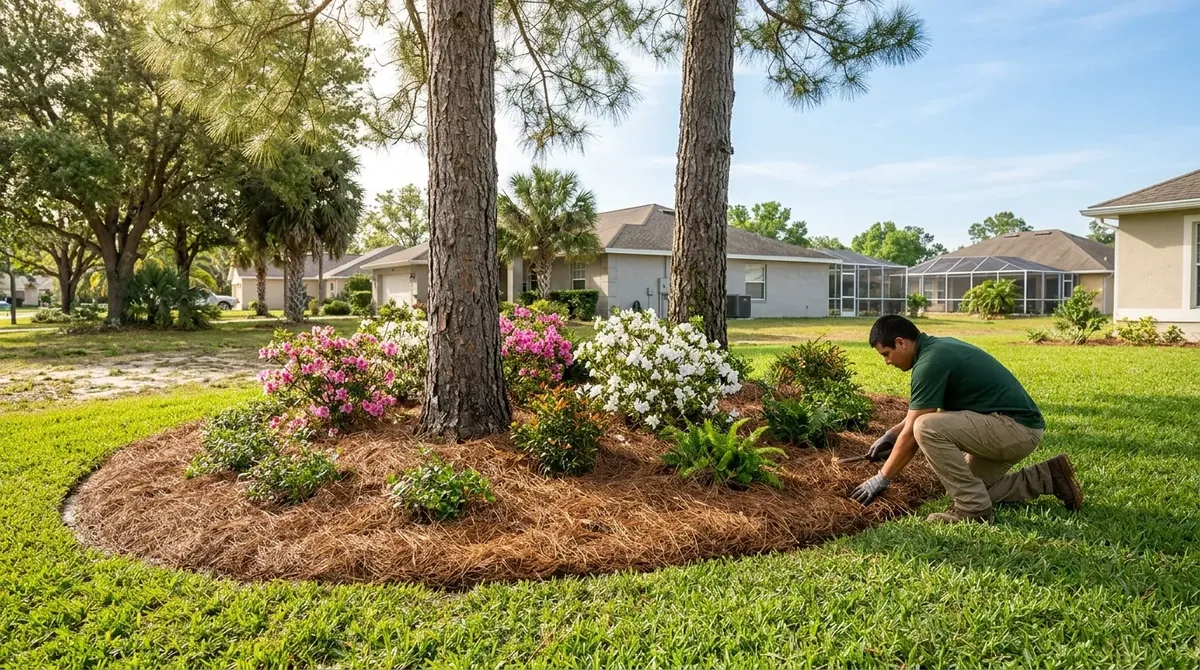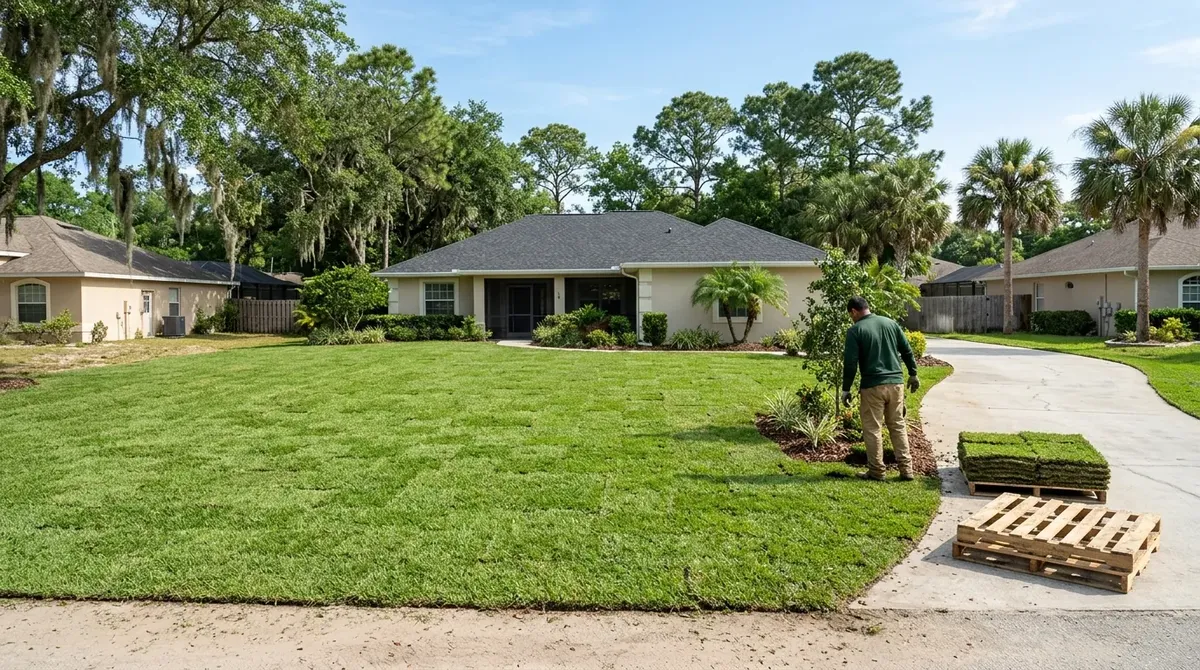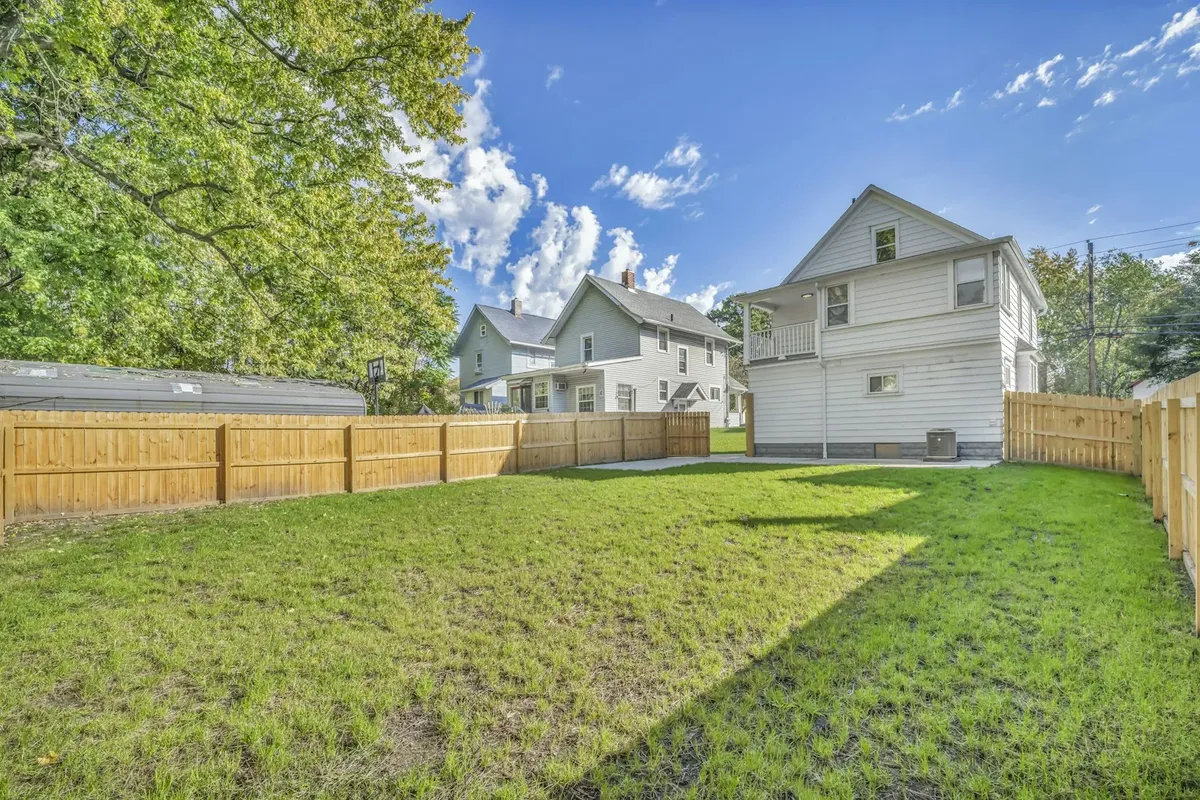

Picking a grass is mostly a matter of being honest about three things: how much sun the yard really gets, what kind of sand or flatwoods soil sits under it, and how much mowing and watering you want to do. Get those right and almost any of the grasses sold for Lakeland sod will do well. Get them wrong and even the priciest cultivar will thin out.
Best Grass for Lakeland Lawns Starts With Sun Hours
Before you look at a single cultivar, count sun. On a clear day, check the yard in the morning, at midday and in mid-afternoon, and note which spots stay shaded. Large oaks, a neighbor's two-story house and a screened lanai all count. Then work down this list:
- Six or more hours of direct sun, with irrigation: Floratam is the default. CitraBlue is the step up for drought tolerance. Empire Zoysia and Celebration Bermuda are the options for a finer, denser lawn.
- Less than six hours, but bright, filtered light: skip Floratam. Choose CitraBlue, ProVista, Seville or Palmetto, all St. Augustines with better shade tolerance.
- Dense shade most of the day: even shade-tolerant grasses struggle. UF/IFAS notes Palmetto handles partial shade but not dense shade. A mulched or pine straw bed usually beats replanting grass every year.
- Large open lot where low cost and low inputs matter most: Bahia, usually the Argentine variety.
That first cutoff is the one that trips people up. UF/IFAS says Floratam does not persist with less than six hours of sun a day, and it has poor shade and cold tolerance overall. It is the most widely produced St. Augustine in Florida for a reason, but only in the right spot.
Lakeland Lawn Grass Comparison
| Grass | Sun | Mow height | Strengths | Watch for | Installed range |
|---|---|---|---|---|---|
| Floratam St. Augustine | Full sun, 6+ hrs | 3.5 to 4 in | Fast cover, coarse and tough, tolerates sting nematodes | Chinch bugs, gray leaf spot, shade and cold | $1.30 to $2.00 / sq ft |
| CitraBlue St. Augustine | Sun to partial shade | 3.5 to 4 in | More drought tolerant than Floratam; dense, blue-green | Thatch if overfed | $1.60 to $2.50 / sq ft |
| ProVista St. Augustine | Sun to partial shade | 3.5 to 4 in | Floratam genetics, darker color, better shade tolerance | Slower growth, slower to fill gaps | $1.60 to $2.50 / sq ft |
| Seville St. Augustine | Sun or shade | 2 to 2.5 in | Fine-leaved dwarf, dark green | Cold, chinch bugs, webworms, thatch | $1.60 to $2.50 / sq ft |
| Empire Zoysia | Full sun | 1.75 to 2.5 in | Dense, fine texture, Florida's most common zoysia | Large patch disease | $1.80 to $2.80 / sq ft |
| Celebration Bermuda | Full sun | 1 to 2 in | Wear tolerance; more shade and sting nematode tolerance than other bermudas | Frequent low mowing | $1.40 to $2.30 / sq ft |
| Argentine Bahia | Full sun | 3 to 4 in | Most drought tolerant, fewer pests, low fertilizer needs | Mole crickets, tall seedheads, less uniform | $1.00 to $1.60 / sq ft |
Prices are typical Lakeland-area installed ranges, not quotes. For a full breakdown by yard size, see how much sod costs in Lakeland.
Lakeland Soil Types and Which Grass Fits
Polk County soils fall into two broad camps, plus a third that people forget about.
Deep ridge sand
Parts of south Lakeland ride the Lakeland Ridge. The Lakeland Highlands Scrub preserve sits on it at about 230 feet of elevation, well above the city's roughly 203 feet. Ridge soils such as Candler and Tavares are deep sands that drain fast, so lawns dry out quickly between waterings. Sting nematodes also favor very sandy soil. According to UF/IFAS, Floratam's thick roots help it hold up against sting nematodes, and finer-rooted cultivars suffer more. Celebration Bermuda also tested more tolerant than Tifway. On a sandy lot in Lakeland Highlands, those traits matter as much as color.
Flatwoods and low ground
Myakka fine sand, Florida's state soil, is the classic flatwoods soil: very deep but poorly drained, with a dark hardpan layer that slows water. Lawns on this kind of ground stay soggy after summer storms, and UF/IFAS notes that constantly wet soil favors dollarweed and sedges. Grass choice matters less here than getting the grade right first. The Polk Water Atlas places Lake Gibson, for example, in its Southwestern Flatlands lake region; see Lake Gibson sod and mulch and lawn grading and leveling.
Builder fill and reclaimed mine land
Much of south Polk was mined for phosphate, and communities like Christina sit on reclaimed mine land. New subdivisions everywhere bring in fill. Builder fill frequently tests high in pH, per UF/IFAS, and pH that is off in either direction is one reason it gives for a struggling St. Augustine lawn underperforms. A soil test before you choose a grass is the cheapest step in the whole project.

Floratam vs. CitraBlue St. Augustine Sod in Lakeland
These two cover most Lakeland yards, so the comparison deserves its own section. Floratam was released by UF and Texas A&M in 1973 and became the Florida standard. Its original chinch bug resistance has largely been lost, and UF/IFAS now lists chinch bugs as a major pest of it. CitraBlue is UF's newer cultivar, on the market since 2018. It grows denser and flatter, crowds out weeds better than Floratam, and in UF testing it handled drought better than Floratam, Palmetto or Raleigh. It is also listed among the most shade-tolerant St. Augustines.
Drought tolerance is not an academic point right now. Under the SWFWMD water shortage order that runs through March 31, 2027, established Polk County lawns get one watering day a week. Check SWFWMD or your utility for the current order. Once the order is lifted, Lakeland's usual two-day schedule comes back, but a grass that handles dry spells will still use less water. Floratam remains the lower-cost choice for open, sunny yards. CitraBlue is worth the higher price on mixed sun and shade or where watering is tight. The St. Augustine sod page compares all four shade types.
Zoysia and Bermuda Sod in Lakeland: When to Upgrade
Empire is the most common zoysia in Florida and does well statewide, with a dense carpet that many owners like underfoot. Its weak point is large patch, a fungal disease that shows up from November to May when temperatures stay under 80 degrees, and UF/IFAS says it worsens with excess soluble nitrogen and irrigation. Zoysia is not a set-and-forget grass. If you see Zeon advertised, note that UF says it is not as well adapted to Florida as it is elsewhere. For shade, UF ranks Palisades and Brazos highest among zoysias, then CitraZoy, then Empire. More on zoysia sod.
Bermuda is a full-sun grass with poor shade tolerance overall. Celebration is the exception that handles a bit more shade than other bermudas. Expect to mow at 1 to 2 inches, which means more frequent mowing than St. Augustine. It suits active yards and sunny side lots. See Bermuda sod.
Bahia Sod for Big Polk County Lots
On an acre in Kathleen or a long back lot that only needs to stay green and hold the sand in place, Bahia is hard to argue with. UF/IFAS says its deep, extensive roots let it ride out dry spells better than any other common Florida lawn grass, and it gets by on less fertilizer with fewer pest problems. Mole crickets are its most serious insect threat. Leave the deck high, around 3 or 4 inches, mow on a one- to two-week cycle with a sharp blade, and plan on summer seedheads. UF/IFAS also notes Bahia can go in during nearly any month across much of the state, which makes scheduling easy.
HOA Rules and Grass Choice in Lakeland Neighborhoods
Deed-restricted communities often name an approved grass, usually St. Augustine. Under Florida Statute 373.185, deed restrictions can't block Florida-friendly landscaping, yet an association can still demand architectural review and set standards. Get your plan approved before the sod is ordered. While the shortage order lasts, SWFWMD also blocks associations from enforcing rules that would raise water use, such as requiring owners to swap out plants for appearance. If you live somewhere like Grasslands, a request for a more drought-tolerant St. Augustine is an easy approval conversation to have.