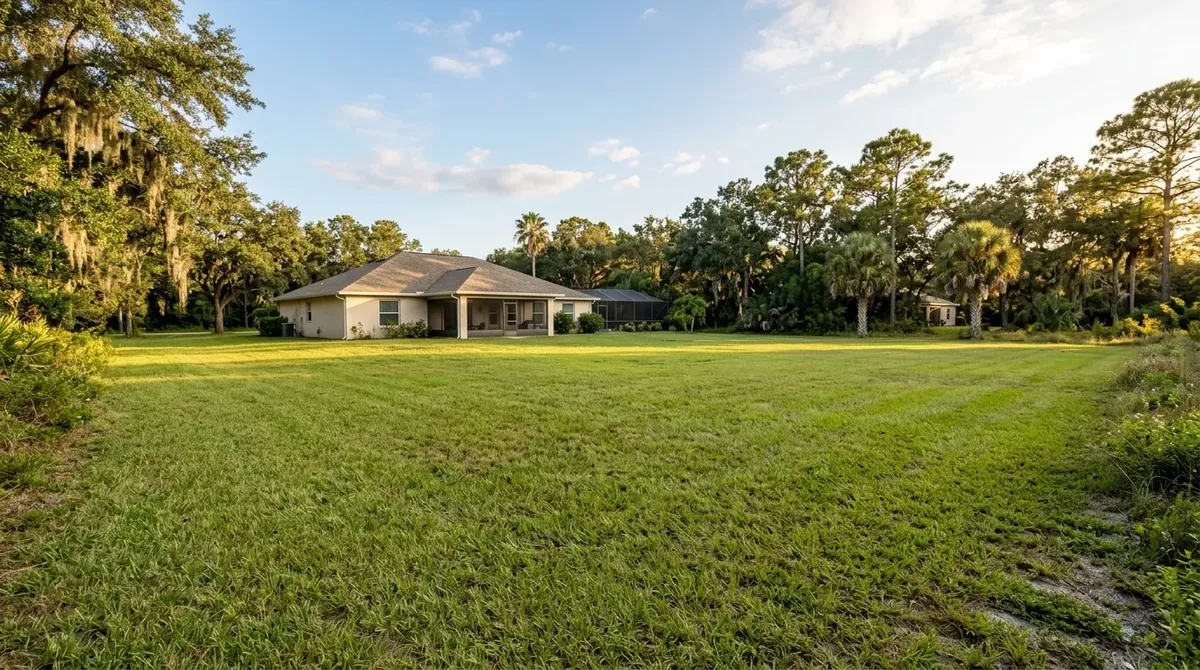
Bahia Sod in Lakeland, FL for Lots That Are Mostly Lawn
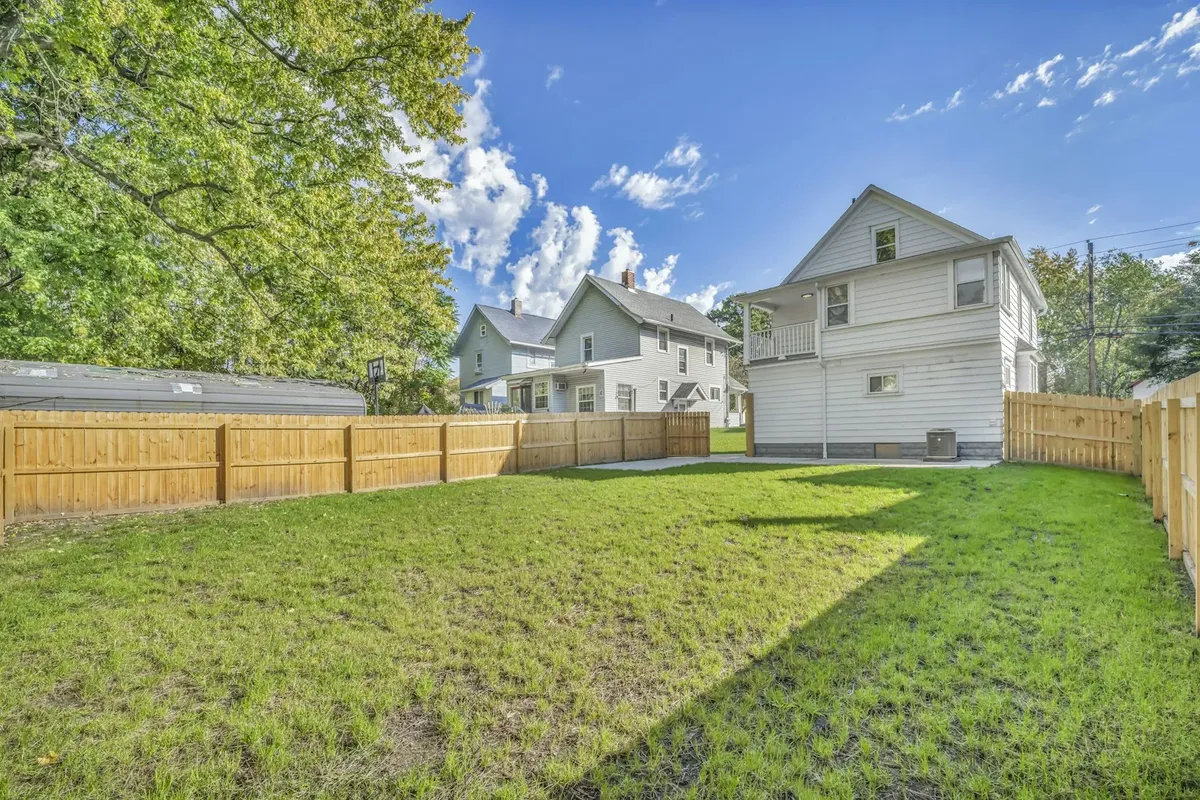
On a typical subdivision lot, the price difference between bahia and St. Augustine is a few hundred dollars. On a half acre of open ground, it can be thousands. That is why bahia shows up on bigger properties around Polk County: the semi-rural lots near Kathleen, the long lots off Lake Miriam Drive in Lake Miriam, where the average lot on the drive runs about 47,000 square feet, and the acreage around Polk City.
Bahia is also the grass that asks least of you once it is in. UF/IFAS credits it with better drought tolerance than other Florida lawn grasses, thanks to an extensive root system, along with lower nutrient needs and fewer pest problems. In a year with one-day-a-week watering, those traits are worth something.
Bahia vs. St. Augustine Sod for Polk County Yards
Most people choosing bahia are weighing it against Floratam. Side by side, the differences look like this.
| Trait | Argentine bahia | Floratam St. Augustine |
|---|---|---|
| Installed cost per sq ft | $1.00–$1.60 | $1.30–$2.00 |
| Drought tolerance | Better than other Florida lawn grasses | Needs steadier water in dry spells |
| Shade | Full sun | Needs 6+ hours of sun |
| Main insect pest | Mole crickets | Chinch bugs |
| Look | Less uniform cover, tall seedheads | Even, coarse, dense |
| Mowing | 3–4 in every 7–14 days | 3.5–4 in |
| Ways to plant | Sod or seed | Sod, plugs or sprigs only |
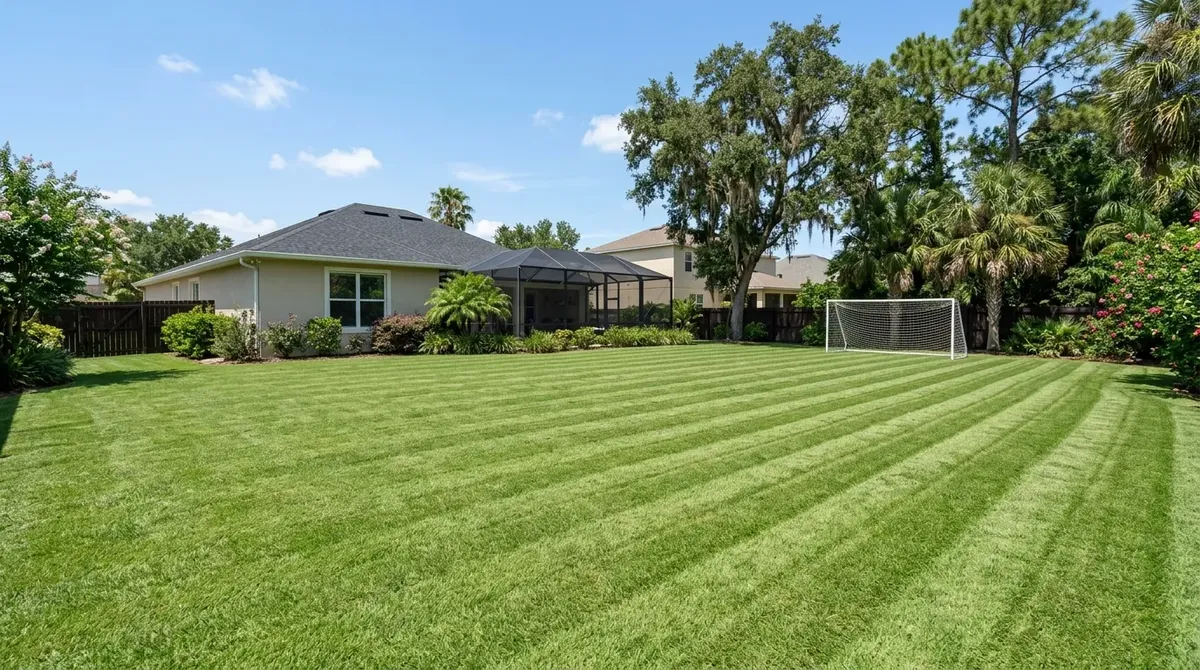
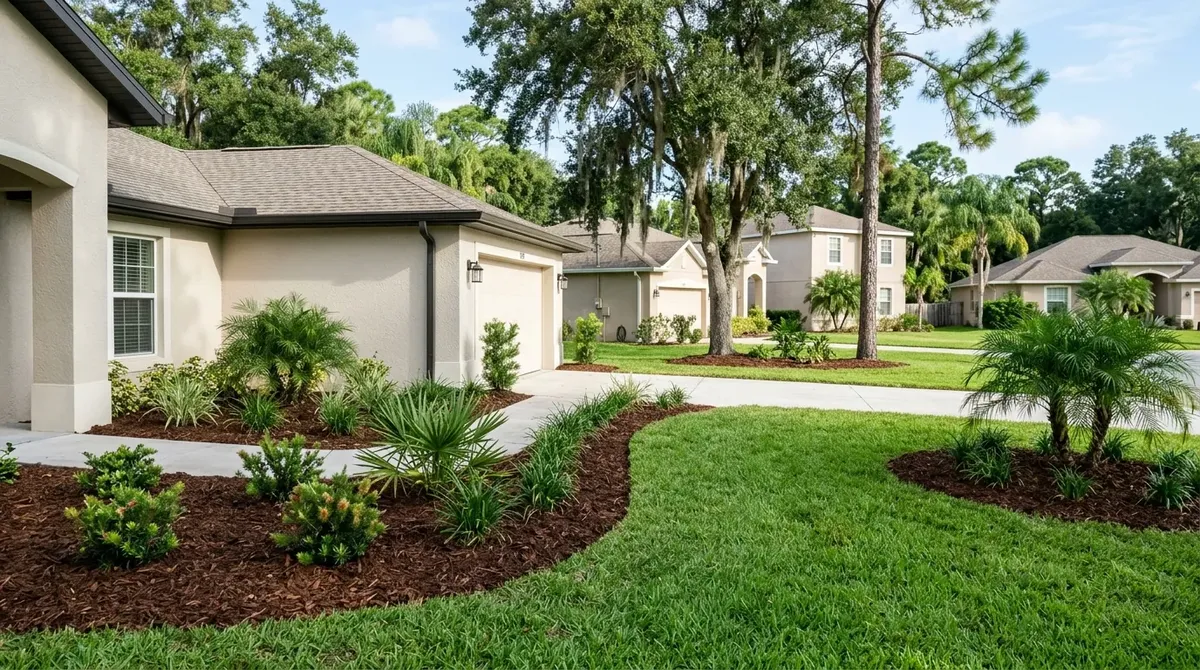
The honest downside is appearance. Bahia never gets as thick or even as St. Augustine, and in summer it sends up tall, Y-shaped seedheads that need regular mowing to keep down. If the front yard is what neighbors see and the HOA judges, many owners put St. Augustine sod up front and bahia in the back and side yards.
Bahia Grass Sod Math for Big Lakeland Lots
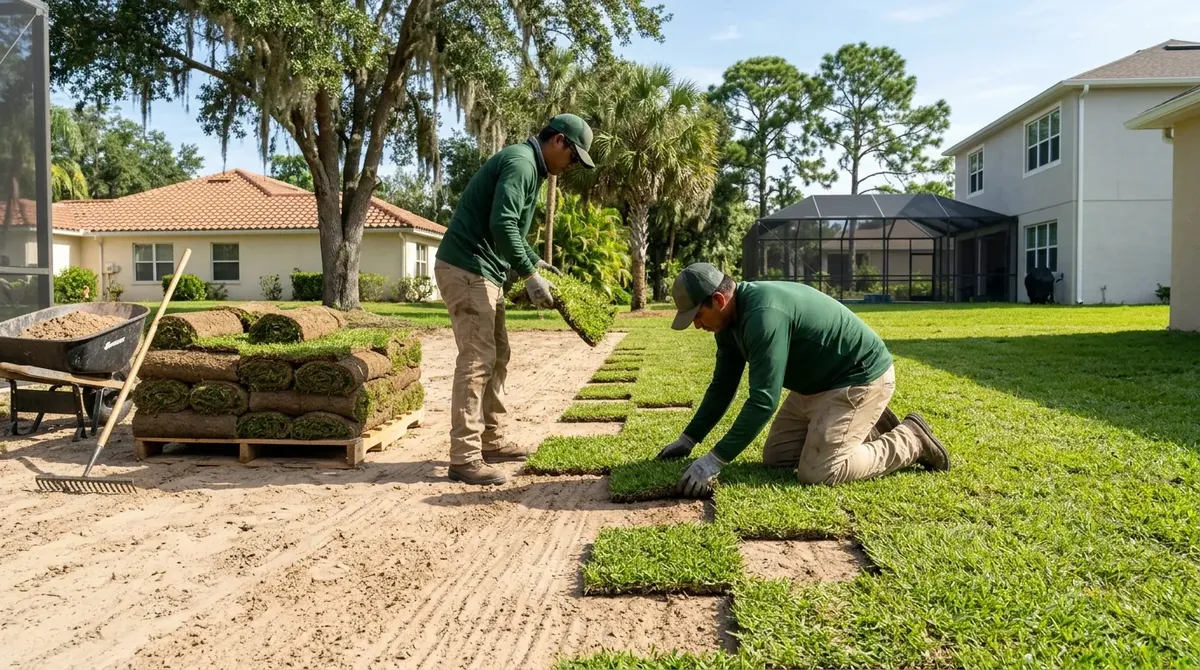
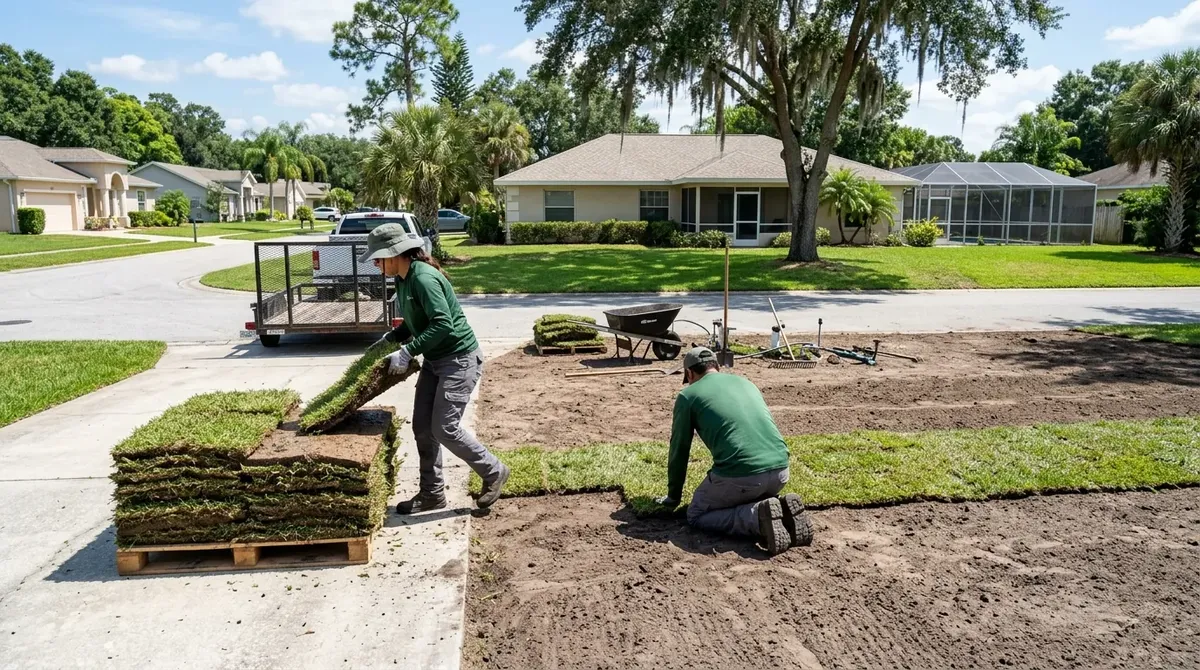
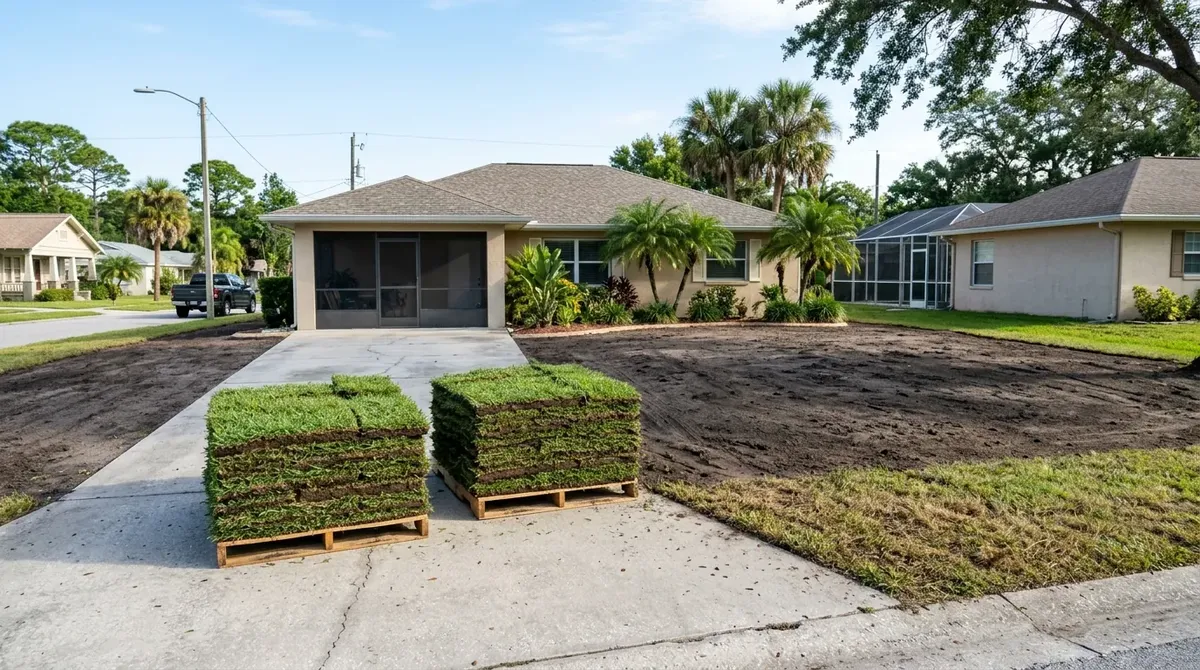
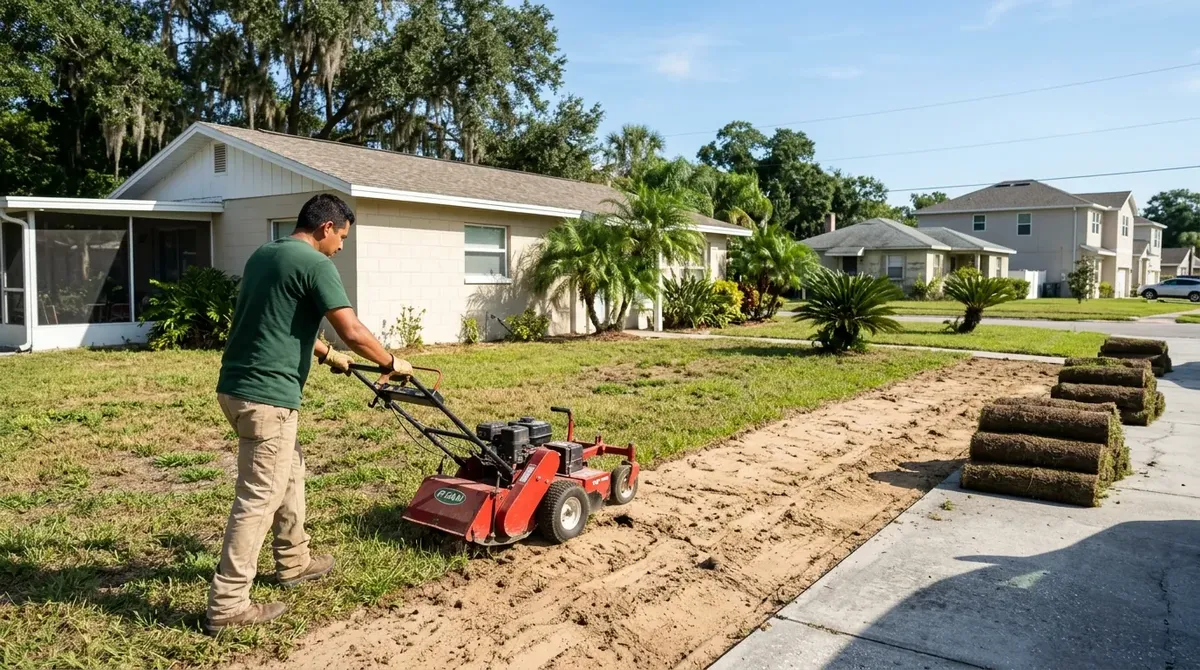
Big jobs are where counting pallets matters. Farms stack sod on pallets of 400, 450 or 500 square feet. Measure only the areas getting grass, not the house, drive or beds, then divide by the pallet size and round up.
| Open lawn area | Pallets at 400 sq ft | Pallets at 500 sq ft | Installed at $1.00–$1.60 |
|---|---|---|---|
| 2,500 sq ft | 7 | 5 | $2,500–$4,000 |
| 5,000 sq ft | 13 | 10 | $5,000–$8,000 |
| 10,000 sq ft | 25 | 20 | $10,000–$16,000 |
| 20,000 sq ft (about half an acre) | 50 | 40 | $20,000–$32,000 |
Those installed totals use the typical Lakeland-area range for bahia and are not quotes. Removal of an old lawn, grading and heavy weed control are priced separately. A full acre is 43,560 square feet, but a one-acre lot rarely has that much grass once the house, driveway and trees are subtracted, which is why we measure on site instead of quoting from a parcel map.
Big orders also change delivery day. Sod should go down within a day of arriving, per UF/IFAS, and 25 pallets is more than most crews should leave stacked in the Florida sun. On large bahia jobs we split deliveries so each load goes down the day it arrives, and we lay the sections farthest from the driveway first so pallets are never dragged across new grass.
Bahia Lawns Across Polk County Soils
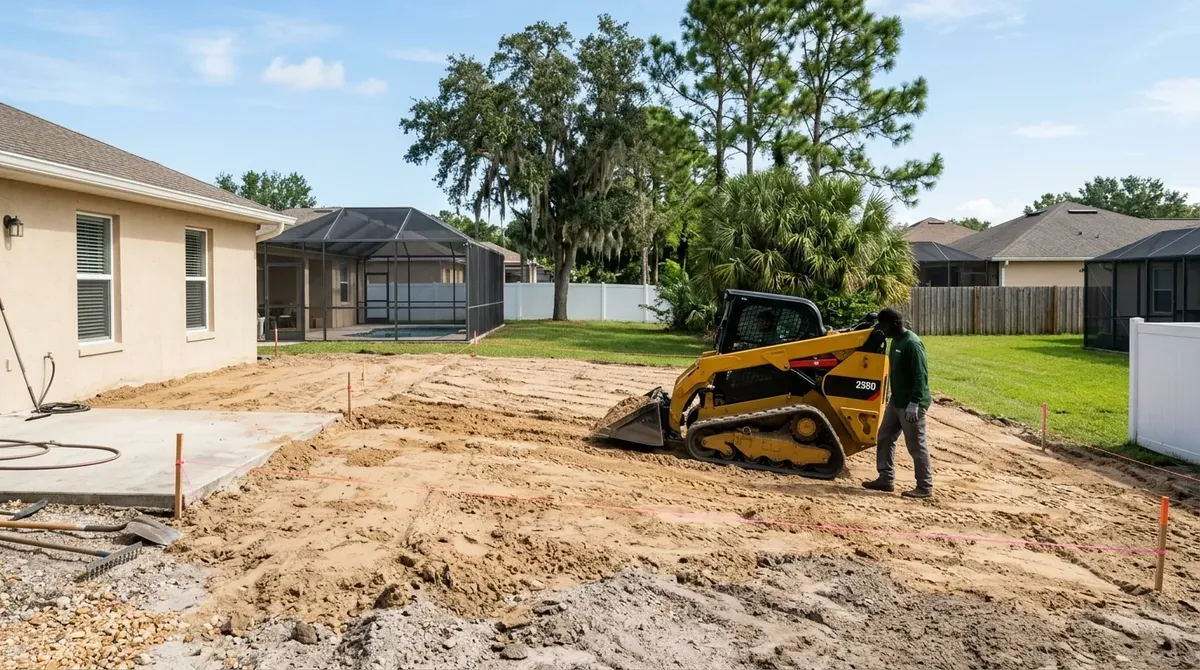
Bahia's deep roots make it a strong match for the fast-draining sand on the higher ground south of Lakeland, where other grasses brown out between waterings. It also handles a lot of the rougher ground that comes with big lots, as long as the drainage is sorted first.
- Low, wet ground. Around Polk City, lots closer to the Green Swamp sit lower and stay wetter after storms. No grass likes standing water, so swales and low spots get graded before the sod goes down.
- Reclaimed mine land. Much of the country around Mulberry sits in the Bone Valley phosphate district, where mining and reclamation left fill that can change from one side of a lot to the other. Expect to find soft spots and settle-prone areas during prep.
- Flatwoods with a hardpan. Myakka-type soils hold water above a dark layer that drains slowly. Grade so runoff leaves the lawn instead of collecting on it.
Argentine or Pensacola
UF/IFAS lists Argentine as a popular bahia for home lawns. Pensacola has a finer blade and better cold tolerance, which matters less in Lakeland, where freezes come about twice a year on average. For most residential yards here we suggest Argentine, and we confirm which bahia the farm has cut before your install date.

Bahia Sod Installation Prices and What Changes Them
| Job | Typical range | What moves the price |
|---|---|---|
| Bahia sod, installed | $1.00–$1.60 per sq ft | Total area, carry distance, soil prep |
| Old lawn or weed removal and haul-off | $0.50–$1.25 per sq ft | Weed density, roots, debris volume |
| Grading and leveling | $0.40–$1.50 per sq ft | Ruts, washouts, low spots that hold water |
| Local sod delivery | $90–$250 per trip | Number of pallets and trips, distance |
Large bahia jobs often run on more than one truck. If you would rather lay it yourself, we also offer sod delivery by the pallet. For more on how prices are put together, see how much sod costs in Lakeland.
Lakeland Bahia Lawns: Sod or Seed
Bahia is the one common Florida lawn grass that grows well from seed, and UF/IFAS says it can be sodded or seeded almost any time of year in much of the state. So why pay for sod? Three reasons come up most.
- Erosion. Seed on bare sand washes in the first hard summer storm. On slopes, ditch banks and swales, sod holds the ground from day one.
- Weeds. A seeded lawn spends months thin enough for weeds to take hold. Sod covers the soil immediately.
- Water. Seed needs the surface kept moist for weeks. Under the water shortage order, that is hard to do with one sprinkler window a night, while sod qualifies for the 60-day establishment schedule.
Seed still makes sense for a back pasture where looks do not matter and time is on your side. For anything people walk on or look at, sod is usually worth it.
Bahia Sod Care in the First Season
Bahia's drought tolerance comes from deep roots, and new sod does not have them yet. For the first 60 days it needs the same attention as any new lawn. Under the SWFWMD Modified Phase III order, in effect through March 31, 2027, a new lawn may be watered daily in the permitted overnight hours for its first month, and on the three days assigned to your address number in its second month. Properties of an acre or more may use both the early-morning and evening windows. Hang on to the dated invoice, write down the schedule you follow, and check SWFWMD or your utility for the current order. Once SWFWMD lifts it, the normal year-round schedule applies.
- Mowing: 3 to 4 inches every 7 to 14 days with a sharp blade. Bahia's tough stems shred under a dull one.
- Seedheads: regular mowing in summer is the main control. They are part of the grass, not a sign of trouble.
- Mole crickets: the most serious insect threat to bahia. Look for raised tunnels and spongy, thinning turf.
- Fertilizer: none for the first 30 days under the Polk County ordinance. Bahia needs less feeding than other grasses after that.
Bahia is one of several grasses we lay across Lakeland sod jobs, and our Lakeland grass comparison explains when it beats the others. If your lot has rough or washed-out spots, lawn grading and leveling before the sod saves trouble later. Request a free on-site measure and the pallet count comes with it.