
Lawn Grading in Lakeland, FL Depends on Which Ground You Are On
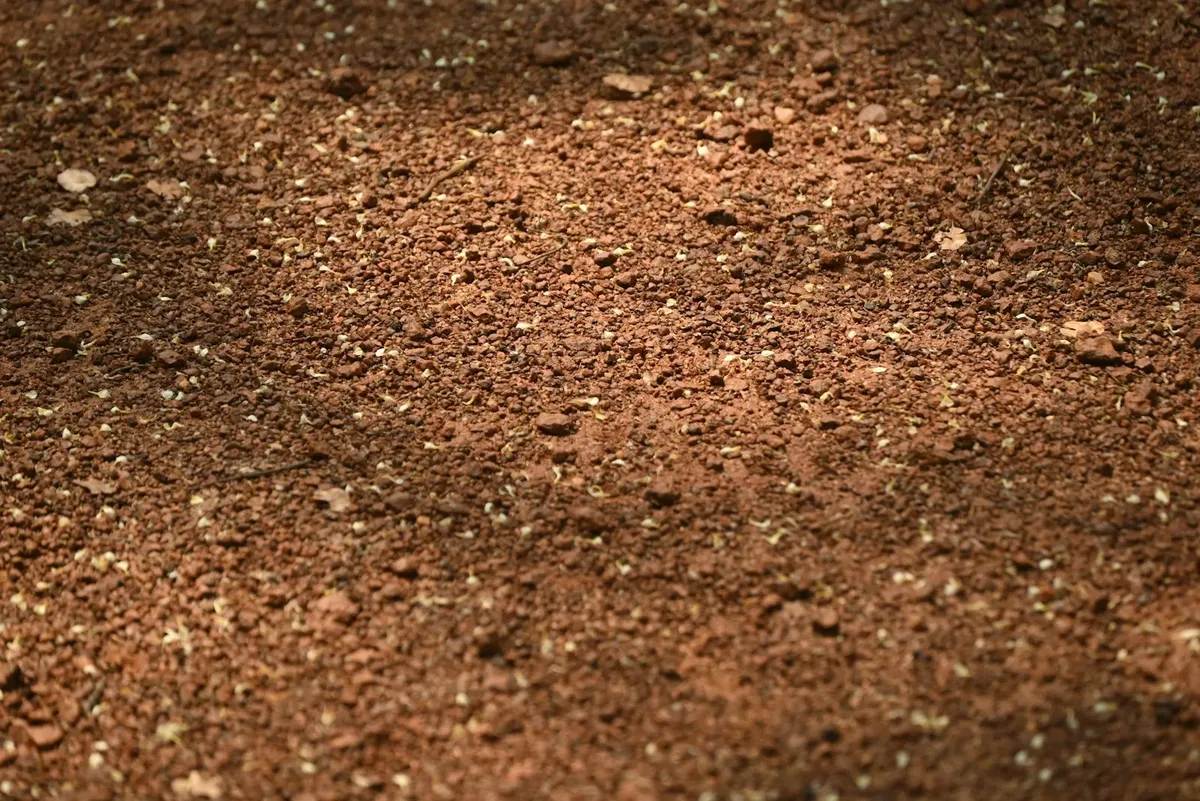
Polk County does not have one kind of dirt. The same 20-minute drive can take you from deep, loose sand on a ridge to flat, slow-draining ground that stays wet after a summer storm. The grading plan for a yard changes with it, so the first thing we look at is not the bumps. It is the soil and where the water wants to go.
Ridge sand: drains fast, shifts easily
Polk County soil maps include deep sands such as Candler and Tavares on the higher ridges. The Lakeland Highlands area sits on the Lakeland Ridge, with the county's scrub preserve there at about 230 feet. Water rarely ponds on this ground. The grading issues are different: sand washes off slopes in heavy rain, low spots open up where downspouts dump, and loose fill settles unevenly after construction. Here, grading is about holding a smooth surface and slowing runoff, not about drainage alone.
Flatwoods: water sits on the hardpan
Myakka fine sand, the Florida state soil, is a typical flatwoods soil that is poorly to very poorly drained, with a dark spodic layer where water moves slowly. The Polk Water Atlas places Lake Gibson, in north Lakeland, in its Southwestern Flatlands lake region. On lots like those around Lake Gibson, a few inches of fall in the right direction can be the difference between a lawn and a dollarweed patch, since UF/IFAS ties constantly wet soil to dollarweed and sedges.
Reclaimed and filled land
Much of the land south of Lakeland has phosphate mining in its past. Christina, in South Lakeland, was built on old mine land, and the slopes and lakes at Eaglebrook came from mining. Lots like these, and new subdivisions built on brought-in fill, can change soil type from one corner of the yard to the other. Builder fill is another variable: UF/IFAS warns it often tests high in pH, so a soil test before sodding is cheap insurance.
Lawn Leveling Lakeland Yards Need Most
- Water running toward the house. Soil should slope away from the foundation. If the yard tips back toward the slab, rain ends up against the wall and under the patio.
- Birdbath puddles in the middle of the lawn that stay after everything else has dried.
- Ruts and settled trenches from moving trucks, pool installs, plumbing repairs or old irrigation lines.
- Mower scalping on humps, where the blade cuts below the right height and leaves brown stripes.
- Lawn sitting higher than the walk. UF/IFAS says walkways and driveways should end up level with or slightly above the finished grade. Sod laid too high pushes water and sand onto the concrete.
Yard Grading Before New Sod, Pass by Pass
Grading for a lawn happens in two passes, following the UF/IFAS site prep steps for turf.
- Mark everything underground. Sprinkler lines and heads get flagged before the first pass.
- Rough grade. Soil is cut from high spots and moved to low ones, and fill is brought in where the whole yard sits too low. The rough grade is set to match the final grade after any amendments go in, so the yard doesn't end up too high.
- Set the fall. UF/IFAS recommends a 1% to 2% fall away from structures or toward drains, without steep slopes or mounds. One percent is a drop of about 1.2 inches over 10 feet; two percent is about 2.4 inches over the same distance. That is gentle enough to mow and walk on, and enough for sheet water to move.
- Loosen compacted areas. Driveway edges and old parking spots get tilled 6 to 8 inches so roots can go down.
- Finish grade. Right before the sod arrives, the surface is hand-raked and dragged smooth.
- Roll lightly. A water-ballast roller firms the soil until your shoe leaves a print roughly half an inch deep at most. Too firm and roots struggle; too soft and the lawn settles into waves.
Lakeland Lawn Leveling vs. a Full Regrade
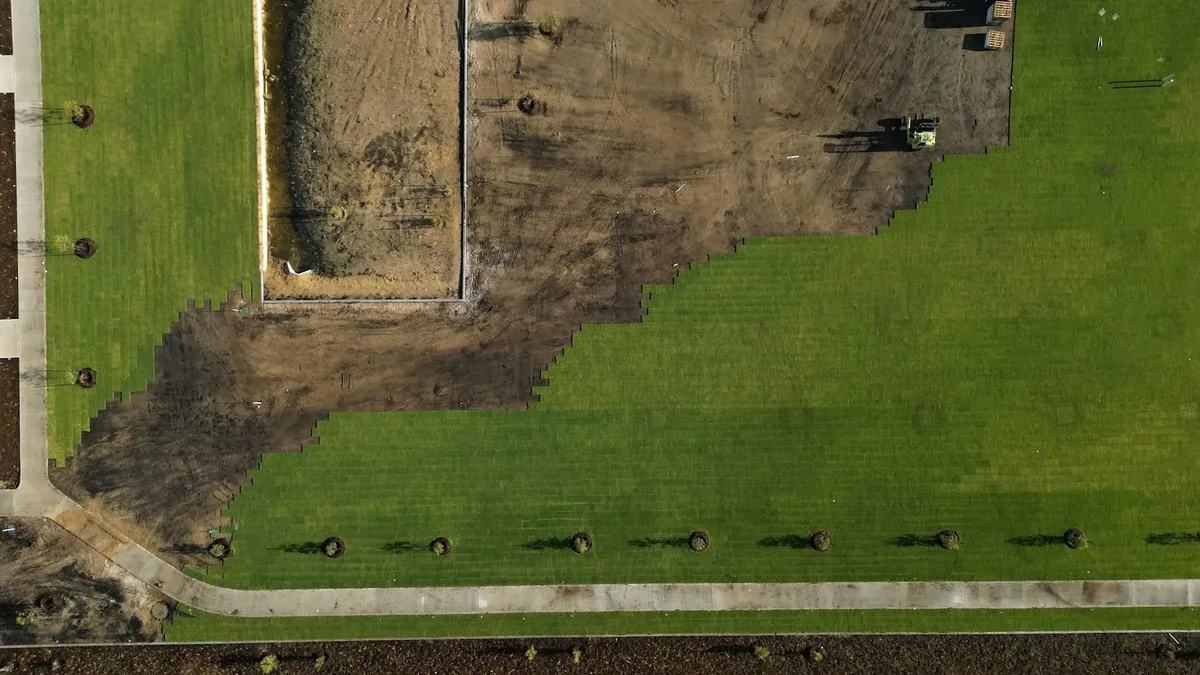
Not every bumpy yard needs to be stripped. If the grass is healthy and the dips are shallow, leveling can be done over the existing lawn with thin layers of clean sand, raked in so the grass blades still show and repeated over a few months as the turf grows through. It is slow, but it keeps the lawn you already paid for.
A full regrade is the better call when water is reaching the house, when the lawn is coming out anyway, or when the low areas are deeper than a thin layer can fix. That is why grading usually goes hand in hand with sod removal and replacement: once the old turf is gone, the ground is open and the slope can be set correctly in one visit.
Grading also has to work around what is already in the yard. Tree roots near the surface set limits on how much soil can be cut or piled over them, sprinkler heads have to be raised or lowered to the new finish grade, and the lawn edge must meet the driveway, walks and patio at the right height. Those details are spelled out on the estimate so nothing surprises you on install day.
Lawn Grading Limits on Polk County Flatwoods Lots
Grading moves surface water. It does not lower a high water table. On some flatwoods lots the ground is simply wet for weeks every rainy season, and no amount of reshaping changes that. In those spots the better answers are a grass that tolerates it, a bed instead of lawn, or a drainage project that is a separate conversation. We will tell you which category your yard falls in during the estimate instead of selling a regrade that won't hold.
The same goes for slopes that drop off sharply toward a lake or retention pond. Those banks usually do better with a grass that roots deeply, like Bahia sod, or with pine straw, which knits together and resists washing better than loose mulch.
Lawn Grading and Leveling Cost in Lakeland
Grading is priced by area, but the amount of soil moved or brought in is what really sets the number. Treat these as typical Lakeland-area ranges rather than a quote for your yard.
| Job | Typical range | What moves the price |
|---|---|---|
| Grading / leveling | $0.40–$1.50 per sq ft | Fill volume, depth of cuts, machine access |
| Old lawn removal & haul-off | $0.50–$1.25 per sq ft | Needed when the grade change is more than a thin layer |
| Bahia sod, installed | $1.00–$1.60 per sq ft | Good for large or sloped areas after grading |
| Floratam St. Augustine, installed | $1.30–$2.00 per sq ft | Lawn size and access |
| Typical 1,000 sq ft Floratam job | $1,300–$2,000 | Installed, no removal; grading priced separately |
| Sod delivery (local) | $90–$250 per trip | Pallet count and distance |
On sandy lots the low end of the grading range is common, because sand moves easily and there is no clay to break out. Jobs that need truckloads of fill, or that must be done by hand because a gate is too narrow for a machine, move toward the top. For the full picture on what a new lawn costs, see the Lakeland sod cost breakdown, and for the calendar side, our central Florida sod timing guide goes month by month.
Grading is the step most people never see once the grass is down, and the one that decides how the lawn looks in two years. It is part of how we approach sod in Lakeland from the ground up. Request a free estimate and we will check the slope, show you where the water goes, and put the plan in writing.